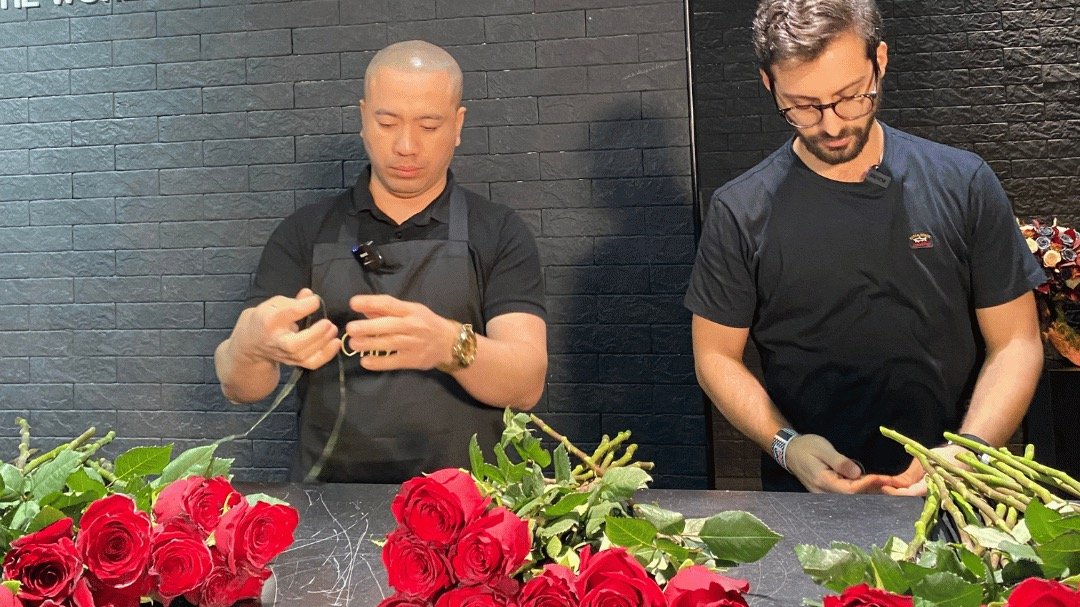
QF’s QSTP and Merck Mark the Start of FemTech Accelerator Program w...
Global cohort of founders begins program journey with strong representation o...
Apr 30, 2026

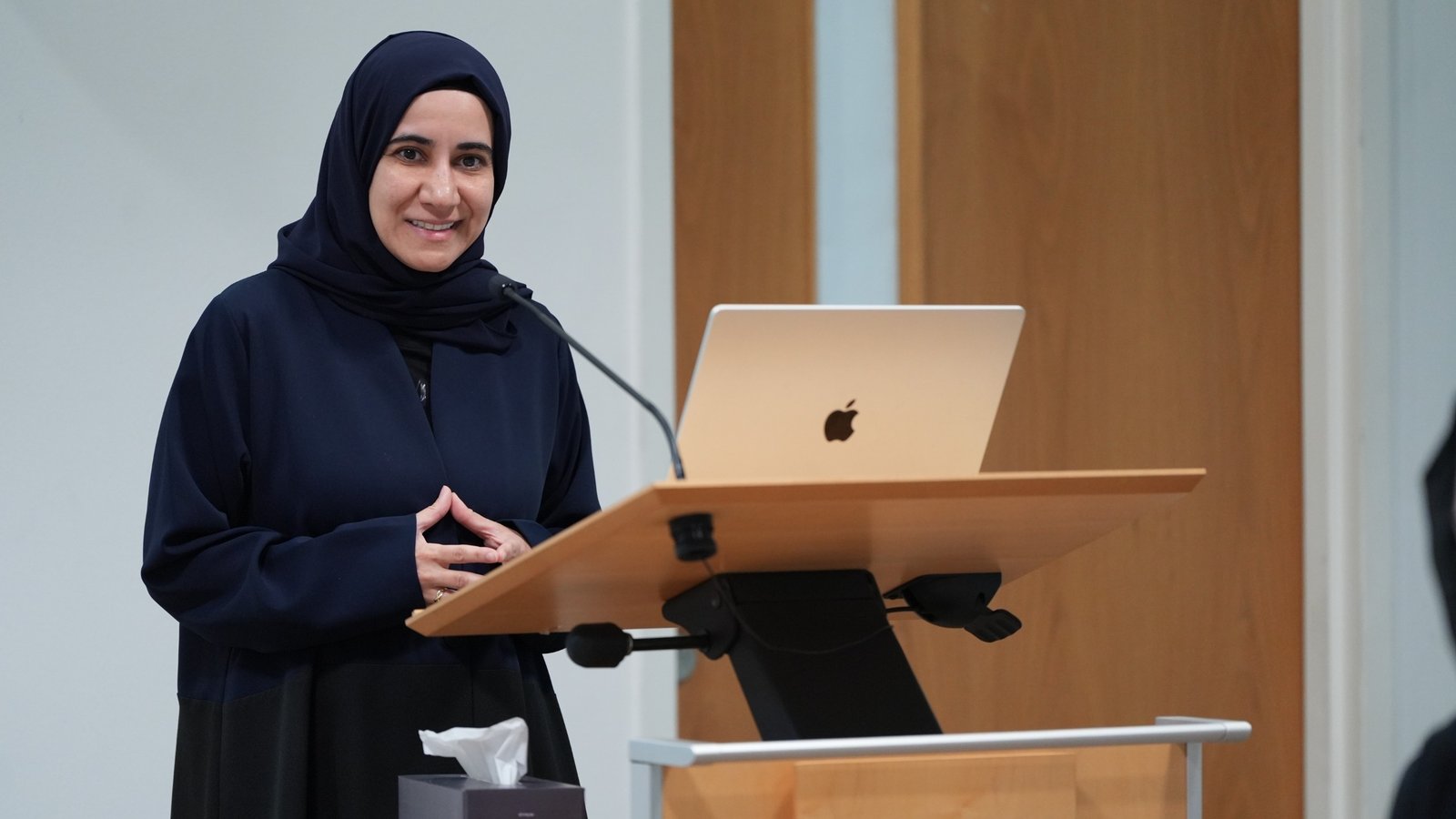
The 224th session of the Executive Board of UNESCO opened today at the Organization’s Headquarters, Place de Fontenoy, in Paris, under the chairmanship of Dr. Nasser Bin Hamad Al Hinzab.
Joanna Hindo, Apr 15, 2026
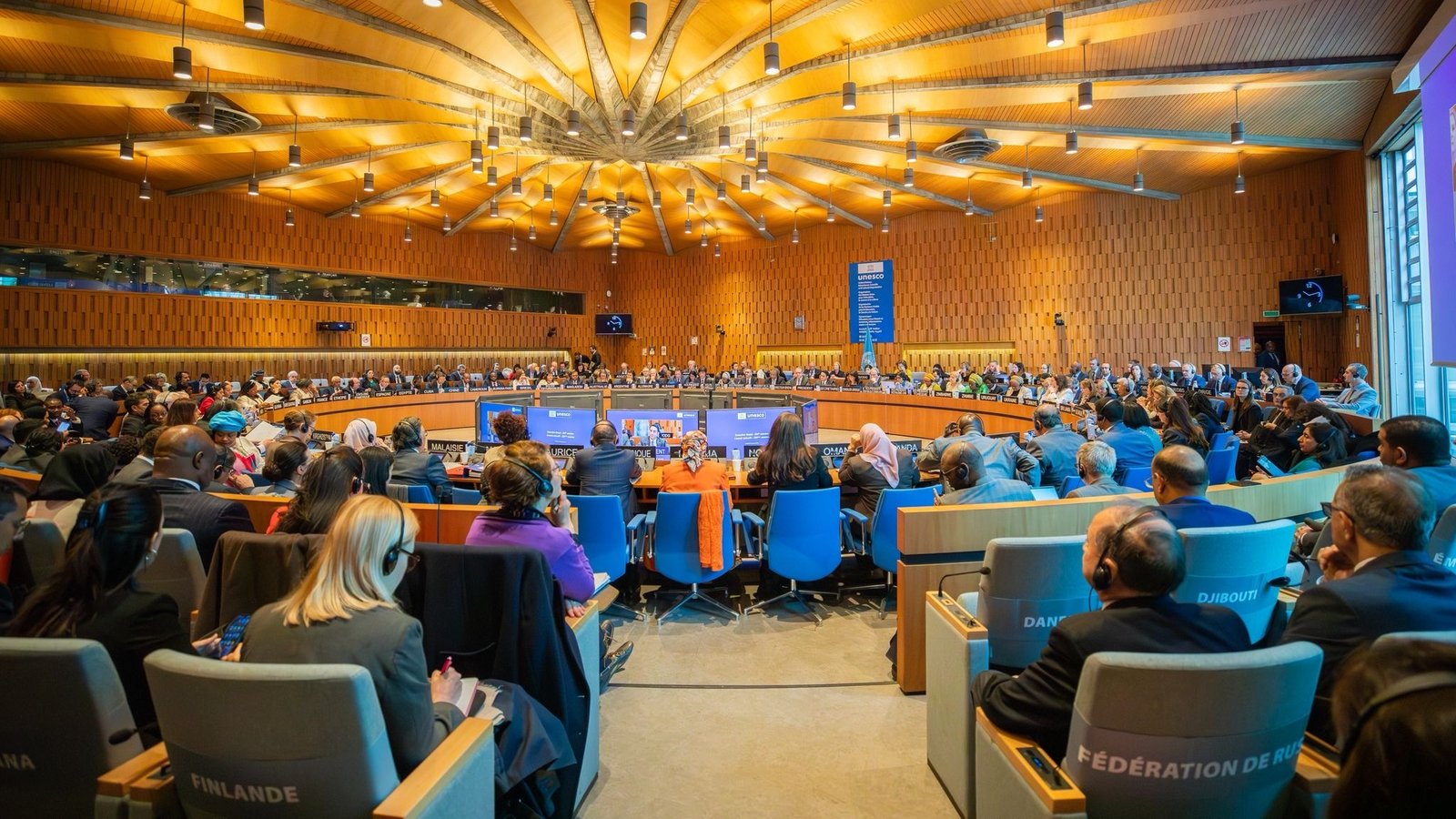
Delivering his first introductory
remarks as Chairperson of the Board, Dr Al Hinzab called for renewed multilateral cooperation, stronger
institutional delivery, and urgent action in response to mounting global crises
and challenges.
Addressing Member States, the President of the General Conference, the
Director-General, and distinguished delegates, he thanked Member States for their confidence and
pledged to carry out his mandate with
impartiality, fairness, transparency, and respect for all perspectives.
“I am committed to carrying out this mandate with the highest standards of
impartiality and balance,” he said, stressing that consensus remains the
foundation of the Executive Board’s effectiveness and unity.
Dr. Al Hinzab highlighted what he described as a renewed spirit of
cooperation within UNESCO’s governing bodies following the recent elections of
the President of the 43rd General Conference,
the new Director-General, Professor Khaled El-Enany, and himself as Chairperson of the Executive Board.
“A constructive and positive working environment has taken shape,” he
noted, emphasizing the importance of preserving the current momentum and
ensuring that the Organization’s work remains grounded in trust and shared sense
of purpose.
A World Facing Multiple Crises
The Chairperson warned (underscored?)
that the international community is meeting at a defining moment marked by
uncertainty, urgency, and profound transformation. He pointed to escalating
conflicts, the accelerating climate crisis, widening inequalities, and rapid
technological change as challenges requiring a stronger and more responsive
UNESCO.
He expressed grave concern
over the human cost of ongoing crises across many regions of the world,
particularly the suffering of civilians and children, and underscored (stressed?)
the importance of protecting the right to education in times of conflict and
instability.
Referring to the Global Education
Monitoring Report, he noted that 277 million children and young people
remain out of school worldwide, describing the figure not as a statistic
but as a call to action.
“In a world of rising crises, education is among the most affected sectors,
yet it is a vital lifeline and a fundamental right for millions,” he said.
Dr. Al Hinzab also condemned attacks on schools and universities, stressing
that institutions of learning must remain sanctuaries of peace, coexistence,
and opportunity.
Recalling the words of Her Highness Sheikha Moza bint Nasser of Qatar,
delivered at UNESCO in 2018, he stated: “If we wish peace and prosperity for
all, we must ensure education for all.”
The Need for a Strong UNESCO
The Chairperson stressed that
UNESCO must be equipped not only with clear priorities, but also with the
financial, technical, and programmatic capacities necessary to respond
effectively to today’s global challenges.
“Education, science, culture,
communication and information are not secondary,” he said. “They are
fundamental pillars of peace and sustainable development.”
He reaffirmed the
indispensable role of multilateralism at a time when international cooperation
is under strain, calling on Member States to engage constructively, take
informed decisions, and ensure effective implementation.
Governance, Reform and
Accountability
Dr. Al Hinzab underscored the importance of improving follow-up to
decisions adopted by the Executive Board, describing this as central to
UNESCO’s credibility and institutional performance.
He welcomed the launch of the open-ended working group established by the
General Conference at its 43rd session to strengthen the working methods of
UNESCO’s governing bodies. Co-chaired by the Chairperson of the Executive Board
and the President of the General Conference, the group recently held its first
meeting with broad participation from Member States.
Its discussions focused on improving efficiency, transparency, coherence,
and trust across the Organization’s governance system.
Programme and Budget at the
Heart of the Session
A central item of the 224th session will be the examination of UNESCO’s
Programme and Budget (C/5), which Dr. Al Hinzab described as more than a
financial framework.
“It is the strategic expression of our collective priorities,” he said. “It
defines how UNESCO will respond to global challenges, allocate its resources,
and deliver results.”
He called for a budget that is ambitious yet realistic, transparent, and
firmly anchored in measurable impact.
Welcoming the timely submission of a detailed Programme and Budget together
with the full documentation for the session, he thanked the Director-General
and the Secretariat, noting that such timely preparation had not occurred in
many years.
No mention of the JIU assessment?
Advancing UNESCO80
Dr. Al Hinzab also welcomed progress under the UNESCO80 reform
initiative, recognizing the leadership of Director-General Khaled El-Enany in
presenting a comprehensive vision to strengthen the Organization’s relevance,
delivery capacity, and role within the United Nations system.
He stressed that reforms must translate into tangible results through
stronger coordination, better resource alignment, and greater support for field
offices, where UNESCO’s impact is most visible.
He further emphasized that staff must remain at the center of institutional
transformation including through merit-based career development, staff
well-being, inclusion, and a credible internal justice system grounded in
dignity and fairness.
A Turning Point for UNESCO
Concluding his remarks, the Chairperson said UNESCO stands at a turning
point where institutions will be judged not by declarations, but by what they
will deliver (in order not to repeat results).
“The world does not expect UNESCO to do everything,” he said. “But it does
expect UNESCO to make a difference, on the ground.”
Quoting Albert Einstein — “Peace cannot be kept by force; it can only be
achieved by understanding” — Dr. Al Hinzab called on Member States to ensure
that UNESCO remains not only relevant to the challenges of the present, but
equal to them.
The 224th session of the Executive Board will continue over the coming
weeks with deliberations on UNESCO’s programme priorities, governance, reforms,
and key global policy issues.
Global cohort of founders begins program journey with strong representation o...
Apr 30, 2026

ROX Qatar, a subsidiary of Al Rabban Automotive Group, has been awarded two p...
Apr 30, 2026

TOYOTA RACING has kicked off its 2026 FIA World Endurance Championship (WEC)...
Apr 27, 2026

أعلنت ألفاريز آند مارسال، الشركة العالمية الرائدة المتخصصة في تقديم الخدمات ا...
Apr 27, 2026
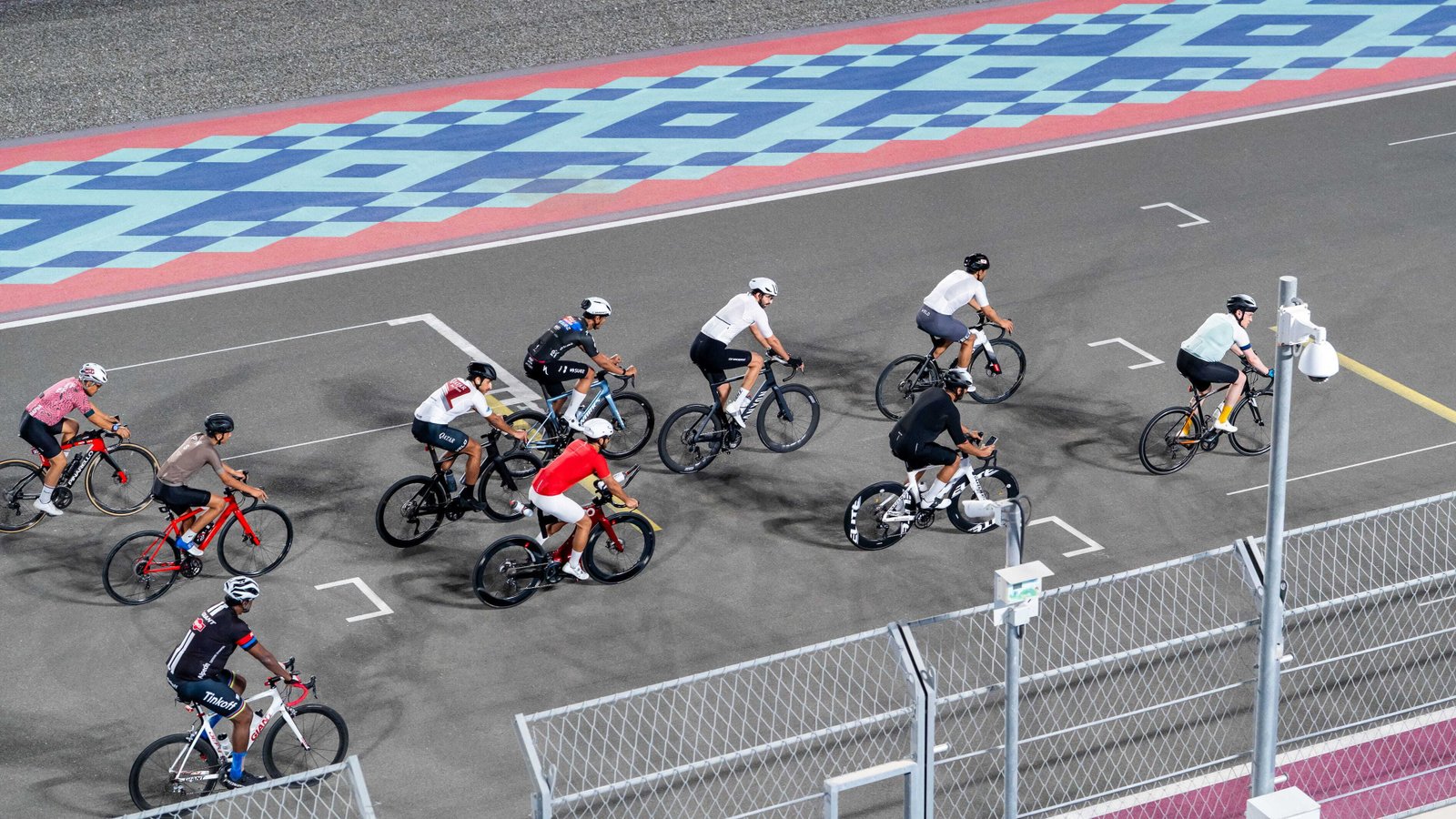
Lusail International Circuit (LIC) has concluded a standout edition of its Mi...
Apr 24, 2026
Subscribe to our newsletter !
Apr 30, 2026

Snoonu, Qatar’s leading homegrown technology company, has officially announce...
Apr 22, 2026
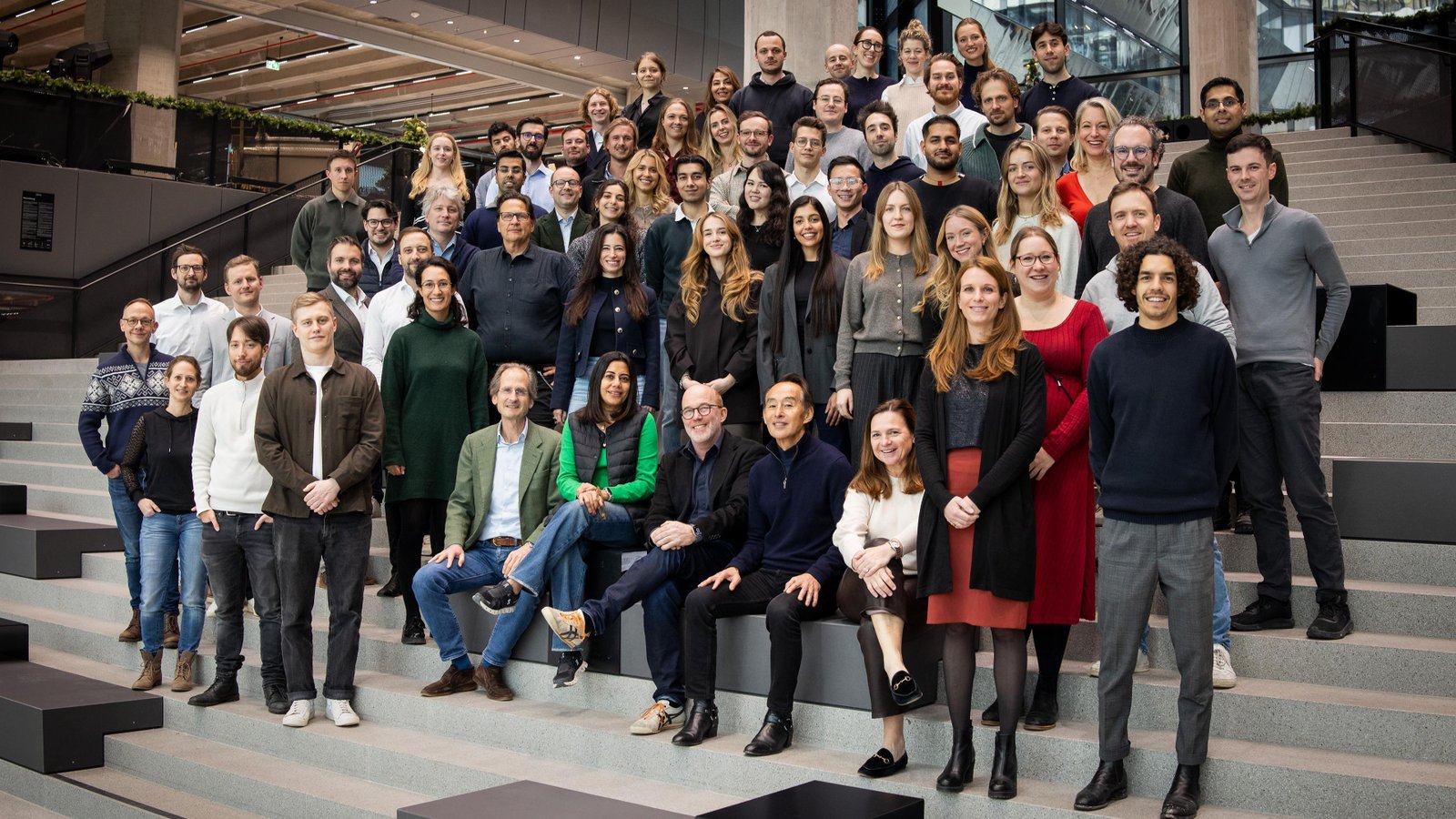
Speedinvest, a globally active European venture capital firm, announces its f...
Apr 20, 2026
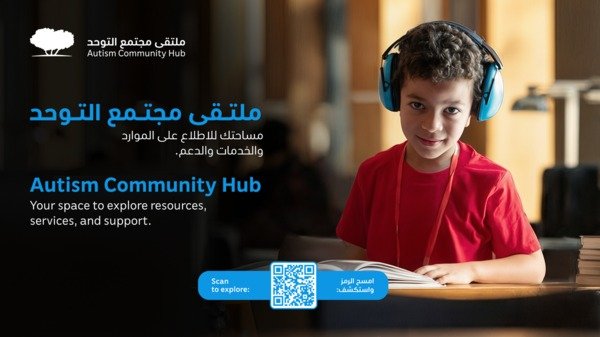
Online platform unifies resources and expertise and amplifies QF’s longstandi...
Apr 16, 2026

Majesty Yachts, the flagship superyacht brand of Gulf Craft Group, has announ...
Apr 16, 2026
The 224th session of the Executive Board of UNESCO opened today at the Organi...
Apr 15, 2026